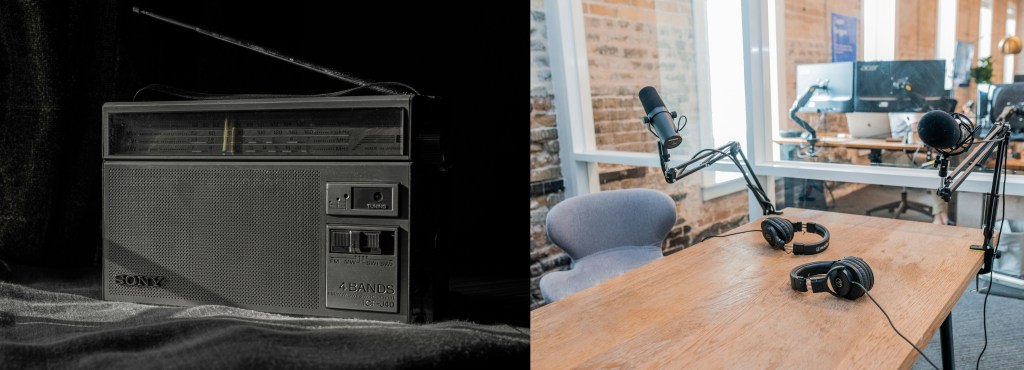
“We all followed the cricket World Cup in 1983 only through radio commentary from the BBC. It didn’t matter that we couldn’t witness the moment with our own eyes—the emotions would’ve been the same.”
That line—spoken by the host of a podcast I was listening to while crawling through Bangalore’s morning traffic—stayed with me.
Today, I live in a world of endless streaming subscriptions and curated highlight reels. To imagine a time when people experienced something as iconic as India’s first World Cup win purely through radio feels almost… prehistoric.
And yet, that comment made me pause.
Did the absence of visuals make people listen more deeply? Did it help them imagine the moment in their own way?
In many ways, radio was never just a medium—it was a companion. It spoke to you while you cooked, studied, commuted. It gave your mind space to wander, to create. You didn’t see the story. You felt it.
Today, our brains are drowning in stimuli. Every screen, every swipe, every feed clamours for attention. We’re overloaded, constantly reacting, rarely reflecting. And the speed and scale of it all makes it harder to assess what’s true—contributing to a troubling rise in misinformation and mental fatigue.
During the pandemic, this overload only intensified. But it also revealed something important: a desire for slower, quieter content.
Enter: podcasts.
They’re not new, but their resurgence feels like a collective exhale. The Indian podcast market alone is projected to reach $2.6 billion by 2030. And it’s not just growth—it’s a shift. Podcasts are being embraced not just for convenience, but for their texture—the depth, intimacy, and focus they offer by stripping away the visual.
Podcasts echo the spirit of radio, but with on-demand flexibility and a diversity of voices and formats. They let you listen without being watched. They let your mind do some of the storytelling.
And here’s where a beautiful phenomenon comes in—anemoia: nostalgia for a time you never lived through.
For Gen Z or late millennials, listening to a podcast can feel like stepping into a world their parents or grandparents inhabited. A world where you absorbed news not through pop-ups or notifications, but through slow, spoken words.
Ironically, we access podcasts through the very screens we’re trying to escape. But maybe that’s the point—they offer a mindful pause within our digital lives. They don’t shout. They don’t demand. They simply speak—and trust you to listen.
And maybe that’s what mindfulness looks like today. Not always meditating in silence.
But choosing to slow down.
To listen deeply.
To let a voice keep you company while your mind—finally—has room to breathe.
 Brand Compass